

Key Takeaways
- With a foreclosure sale date set, repairs are triage — only work that returns money inside your window is worth doing.
- Quick wins like paint, flooring, and curb appeal often pay off fast; big remodels rarely do.
- We coordinate all contractors — and can front the cost, so there's no money upfront from you.
- If the timeline is short, an as-is cash offer often protects more of your equity than any repair would.
Why Repairs Are Different in Foreclosure
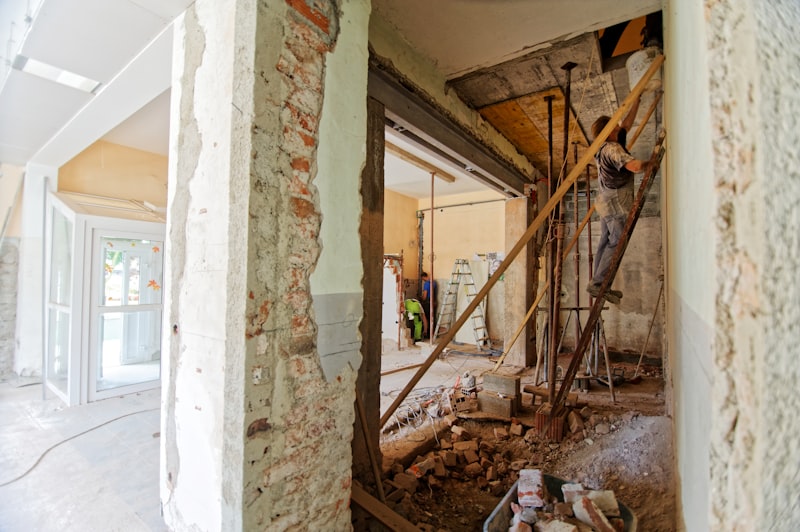
Homes heading into foreclosure often need work. When money gets tight, maintenance is usually the first thing to slip — a roof that should have been patched, carpet that's seen better days, paint that's a decade past fresh. That's not a character flaw. That's math.
The usual question is: should you repair before selling, or sell as-is? In foreclosure there's a second question stacked on top: do you have time?
In Colorado, the Public Trustee sale is typically set 110–125 days after the lender records the Notice of Election and Demand, and you can sell the home any time up until the sale date. So the repair math has three parts: what the work costs, what it adds to the price, and whether it fits inside your window. A $5,000 paint-and-carpet refresh that helps the home sell three weeks faster can beat a $30,000 remodel that doesn't finish in time.
The challenge? Most homeowners in this spot don't have spare cash or bandwidth to run a renovation while fighting for their house. That's where we come in.
Quick Wins vs. Money Pits: What We Handle
With a sale date on the calendar, we sort every possible project into two buckets: quick wins that return money inside your window, and money pits that eat time and cash you don't have. Here's how the common ones shake out:
- Fresh paint: Still the single highest-return move. A coat of neutral paint makes the home feel clean and move-in ready, usually in days, not weeks.
- Flooring: Swapping worn carpet or damaged flooring transforms how a home shows. We install quality flooring at contractor pricing, fast.
- Curb appeal: Mowing, mulch, a clean entryway, maybe exterior touch-up paint — cheap, quick, and it decides a buyer's first impression.
- Minor kitchen & bath refreshes: New hardware, fixtures, and lighting — not full remodels. Small spend, visible payoff.
- Buyer-scare fixes: Leaky faucets, dead outlets, cracked glass — small inspection red flags that make buyers wonder what else is wrong.
- Money pit — full remodels: Gutting a kitchen or adding square footage almost never returns its cost inside a foreclosure window. We'll tell you to skip it.
- Money pit — major systems on spec: Replacing a roof or HVAC before selling usually costs more time and cash than pricing it into the sale — or taking an as-is offer.
How We Manage Repairs — No Money Upfront
Even a short repair list is a job — and you already have one: saving your house. Here's how we run the work so you don't have to:
- Assessment: We walk the property, look at the days left on your clock, and identify only the work that will actually return money before your sale date.
- Scope & budget: A clear scope of work with upfront pricing. You approve it before anything starts — and we can front the cost, so there's no money upfront from you.
- Contractor coordination: We work with a network of licensed, insured contractors. We schedule the work, oversee quality, and handle any issues that come up.
- Timeline management: We plan backward from your sale date with buffer built in. Most fast-sale prep is done in 1–3 weeks, depending on scope.
- Final walkthrough: Before listing, we do a final walkthrough to make sure the home is ready for market — with time to spare.
"We were three months from the sale date with nothing left for repairs. They fronted the work, handled every contractor, and the house closed weeks before the auction — for far more than we thought we'd walk away with."
Repair vs. Sell As-Is: Making the Right Call
Not every home should be repaired before a foreclosure sale — sometimes as-is wins outright. Here's how to decide:
Repair before selling if:
- You have six or more weeks before the sale date — enough room for the work plus marketing time.
- The needed repairs are cosmetic (paint, flooring, fixtures) rather than structural.
- You're in a strong market where clean, updated homes move quickly and at a premium.
- The expected bump in sale price clearly exceeds the repair cost, with margin for delays.
Sell as-is (cash offer) if:
- The sale date is only weeks away and there's no room left for a repair-then-list plan.
- The home needs major structural, roof, or system repairs that can't pay for themselves in time.
- The repair costs would consume a significant share of the equity you're trying to protect.
- You want certainty: a written, no-obligation offer in about 24 hours and a closing in as little as 7 days.
We offer both paths. After walking the property — and the calendar — we'll give you honest recommendations and clear numbers for each, at no cost and no pressure, so you can choose what protects the most of your equity.
Don't manage contractors on top of everything else
We coordinate the repairs before your sale — no money upfront — or buy the house as-is so you never lift a hammer.