
Key Takeaways
- A moving sale can turn a houseful of belongings into real cash — money that helps fund your next move.
- Roll-off containers provide an efficient way to handle bulk disposal of items that can't be sold or donated.
- We coordinate the entire process: pricing, marketing the sale, donation pickups, and cleanup.
- Every dollar the sale brings in is yours — and the property is clear by the closing date.
What Is a Moving Sale?
A moving sale (sometimes called a downsizing sale) is a public sale of the belongings you won't be taking with you. Unlike a garage sale, a moving sale can cover most of the household — furniture, appliances, tools, collectibles, artwork, books, kitchenware, and more.
Some things sell well and some don't. Quality tools, name-brand appliances, solid-wood furniture, collectibles, and artwork tend to move quickly. Worn upholstered furniture, old mattresses, and dated electronics usually don't — those are better donated or hauled off in a roll-off.
For a homeowner facing foreclosure, a moving sale serves two purposes: it puts cash in your pocket for the move ahead, and it clears the home so the closing can happen on schedule — before the foreclosure sale date.
How Our Moving Sale Process Works
You run the sale — it's your home and your money — and we coordinate the logistics around it:
- Walkthrough & sorting: We walk the home with you and help sort what to sell, what to keep, and what to donate. For high-value items (antiques, artwork, jewelry), we can connect you with specialist buyers.
- Pricing: We help you research current market values and price items to sell — not to sit. With a deadline on the calendar, the goal is total cash out the door, not unrealistic prices.
- Marketing: We advertise the sale through online sale listings, social media, and our network of buyers and dealers. A well-marketed sale attracts more buyers and puts more cash in your pocket.
- Sale day: On sale day(s), you handle the transactions and keep the cash, while we help with setup, signage, and keeping the day running smoothly.
- Cleanup: After the sale, we schedule a donation pickup for usable items that didn't sell and arrange disposal for the rest. We bring in roll-off containers for bulk disposal.
- Proceeds: Every dollar from the sale is yours. Many homeowners use it to cover the moving truck, deposits, and first month's rent at the next place.
Roll-Off Containers: Efficient Bulk Disposal
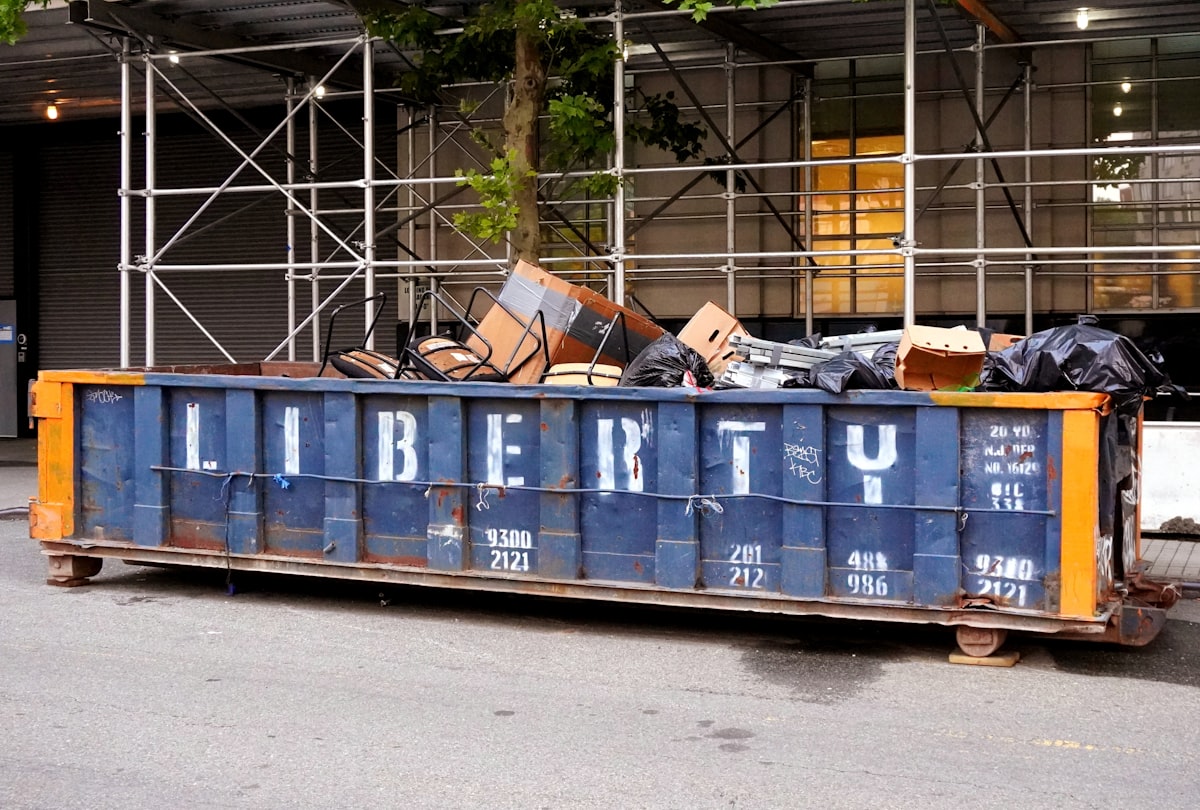
After a moving sale (or instead of one, if the home's contents don't have significant resale value), roll-off containers provide an efficient way to clear the property.
Roll-off containers are large, open-top dumpsters delivered to the property. We coordinate:
- Container sizing: We bring the right size — typically 15, 20, 30, or 40 cubic yards — based on the volume of items.
- Delivery & placement: The container is placed conveniently on the property for easy loading.
- Loading & hauling: Our team loads the container with items being disposed of, then the waste company hauls it away.
- Responsible disposal: We work with licensed waste haulers who sort for recycling where possible, diverting usable materials from landfills.
Roll-off containers are typically needed when:
- The home holds years of accumulated belongings and the calendar is already working against you.
- Items remaining after a moving sale need to be removed.
- Furniture and household items are damaged or unsellable.
- Construction debris from repairs or renovations needs to be removed.
"The moving sale paid for the truck, the deposit, and the first month at our new place. We walked out with cash in hand and left the house empty — the closing happened right on schedule."
Costs, Revenue & What to Expect
Here's what homeowners typically see:
- Moving sale revenue: It depends entirely on what's in the home — a well-run sale can bring in anywhere from a few hundred dollars to several thousand, and homes full of tools, furniture, and collectibles can do better still.
- Coordination costs: We don't ask for money upfront. Coordinating the clear-out is part of helping you get the property sold — there are no out-of-pocket costs to get started.
- Roll-off container costs: Containers typically cost $400–$800 per haul, depending on size and location. Multiple hauls may be needed for large properties.
- Donation value: Usable items that don't sell can be picked up by local charities — and the tax-deductible receipts are yours to keep.
The sequencing matters most: sale weekend first, donation pickup a few days later, roll-offs last, then a final walkthrough. We build that schedule backward from your closing date — or the foreclosure sale date — so the property is empty exactly when it needs to be.
Clear the property from top to bottom
From moving sales to roll-off dumpsters, we arrange the logistics so the home is empty and ready by closing day.